words:
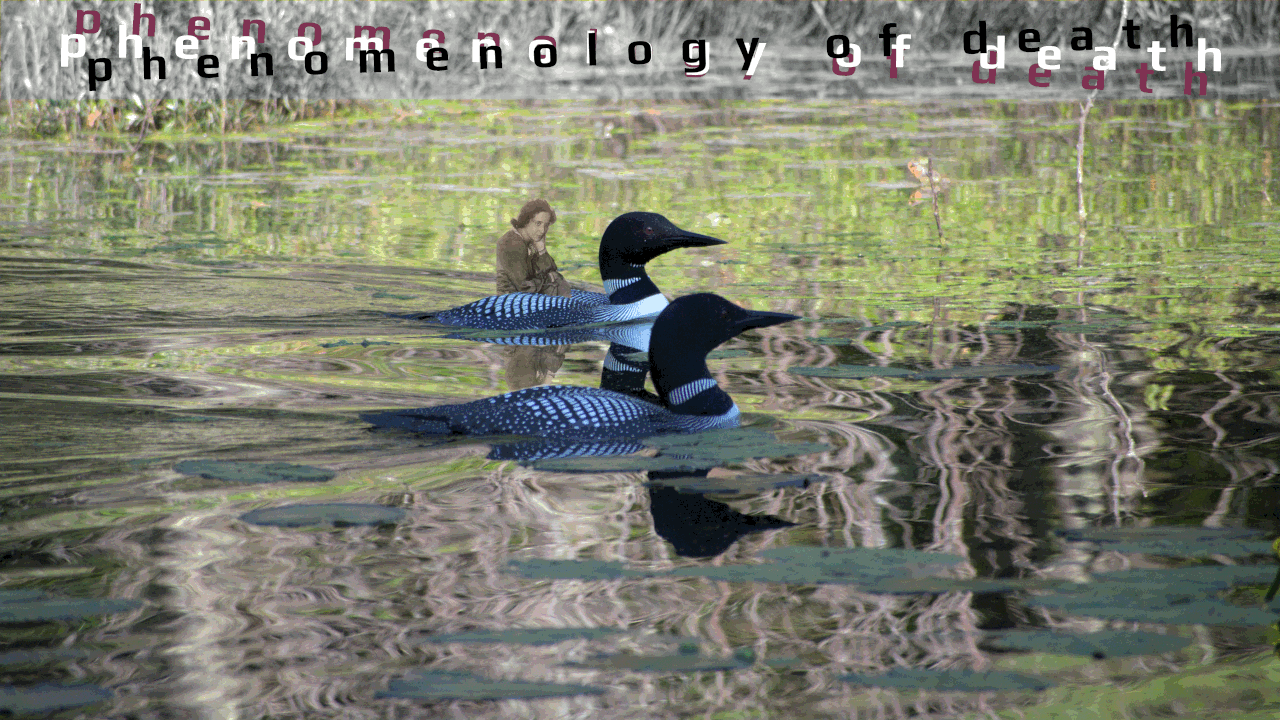
phenomenology of death
(as my cellphone refers to itself in the first person
i am prompted to apologize for refusing the tipmonger inside a RFID point of sale)
---
the Cartesian inverse: we die when we stop thinking
is the modern Human Condition
who wants the automatons to take over society
where robots are scabs that undermine the social contract
dismantling commonwealth for a different thing
despised by every living creature on the planet
just as the ignorant industrial man was so hated
by flora, fauna and indigenous
pillaging the commons and poisoning the body politic
maybe that is the self-aware Leviathan
obsoleting the proletariat, lumpen reserve army,
the precious professional managerial class and mobile petite bourgeoisie
robots and scripts tattle every purchase, road trip and conversation
engorged data centers drink the water and claim the farmland
---
the Roman society: we die when we are alone
is the inherited western condition
that social void is what makes me so grim
i am longing inter homines esse
but never among them
so inter homes esse desinere is an impermanent fate
seemingly beyond man's control
subjectively thoughtful means i exist
but alone means i do not.
the phenomenology of death
is objectively understudied
by intelligent design
left for cranks outside the academy
who transcend spirit and substance
---
or the German philosophy
based in material not human thought
observable historic tendencies
i am not predetermined but predictable
does human production create contradictions
conditions leading to social analysis
that become revolutionary change?
maybe only in your Cartesian mind
if you can conceive it
you are the mover of history
regardless of conception
impermanence is the only thing.
that humans are dependent
that we are conditioned.
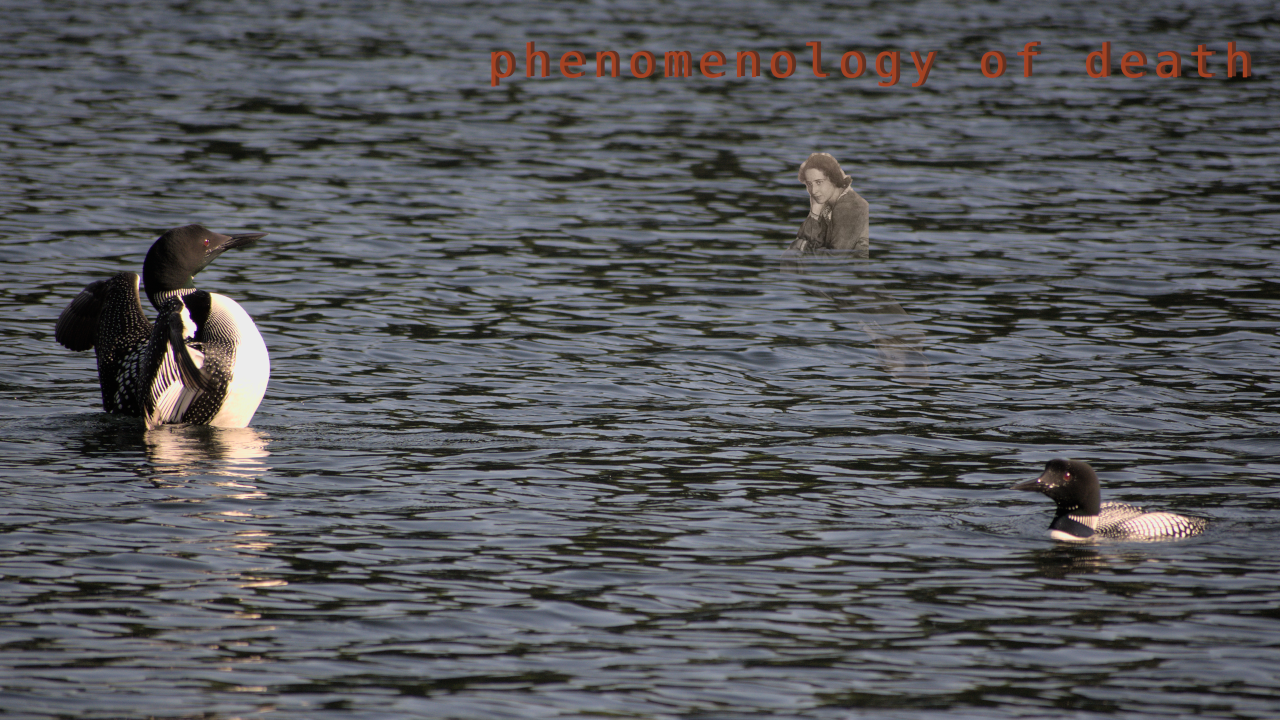
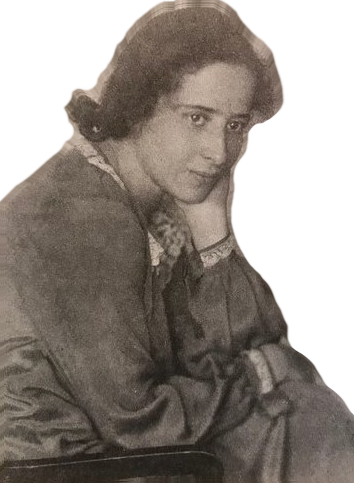
The photo is dated 1924 by wikimedia via: Elisabeth Young-Bruehl Hannah Arendt: For Love of the World (second edition) Yale University Press, 2004.; it is Public Domain by date.